
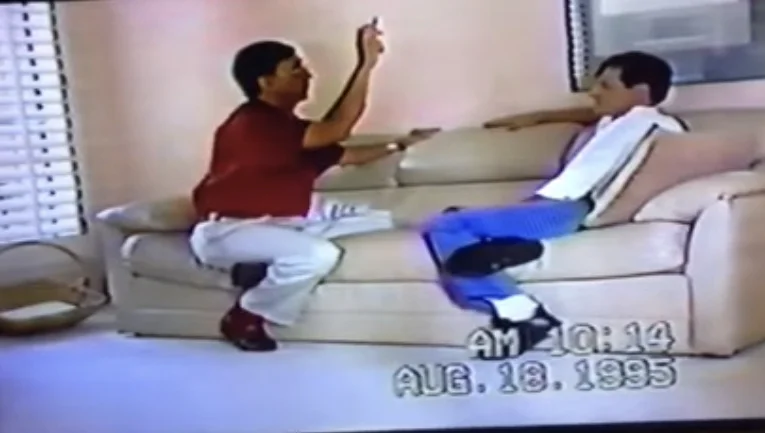
I started using the Eye Movement Integration procedure (EMI) around 1991.
This is a 19 – minute “Deep Dive” into the modality:
It is a brief therapy technique that is effective in treating acute and post-traumatic stress, also phobias, the symptoms associated with addictions and negative or self-limiting thoughts. EMI is a neuro-therapeutic method for accessing and integrating traumatic memories and experiences
The EMI procedure, developed by Connirae Andreas in the late 1980s, emerged around the same time that Francine Shapiro was working on EMDR (Eye Movement Desensitization & Reprocessing). Both psychologist were NLP trainers.
Interestingly, both EMI and EMDR were inspired by noticing eye movements of their client’s closed eyes during a therapeutic procedure, called the NLP Trauma/Phobia Cure, which some now refer to as Reconsolidation of Traumatic Memories (RTM). However, EMI protocol places greater emphasis on NLP eye accessing cues (See at bottom of the page).
Today, we call these above processes “ Memory Reconsolidation” techniques.
A Case Example
In 1995, I worked with a Bosnian Muslim man who had survived 15 months in a Serbian concentration camp before being freed by UN forces. He had been in the United States for only six months and spoke limited English and I spoke only English. His primary symptoms were:
• Severe insomnia
• Recurrent flashbacks of witnessing his best friend die in his arms
• A persistent, intrusive smell associated with death
He was sleeping less than two hours per night.
During 6 – minutes of EMI, he was able to shift the vivid, colorful flashback imagery into a foggy, distant representation, and transform the overwhelming smell of death into a scent associated with life. The change was rapid and observable.
In a 6-minute video, you will witness the transformative effects of EMI:
In this 7 minute video Steve Andreas works with a Vietnam veteran using EMI:
EMI can be self administered with caution:
- not for intense self-use without preparation
- test only on mild material first
- stop if overwhelm, dissociation, or panic rises
Remember to test the procedure first on a mildly unpleasant emotional feeling to see if it works for you. It is easier to have friend or therapist watch the videos and follow the instructions in the PDF.
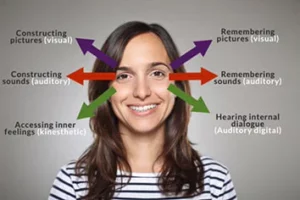
These above eye accessing cues are accurate about 80% of the time.
I highly recommend Mike Deninger’s book, “Multichannel Eye Movement Intergration” (MEMI) for those trained in EMDR or not trained in EMDR. It offers a clear, well‑structured expansion of eye‑movement‑based trauma work that most new therapist will find easier to learn and is just as effective.
Clint77090at gmail.com